
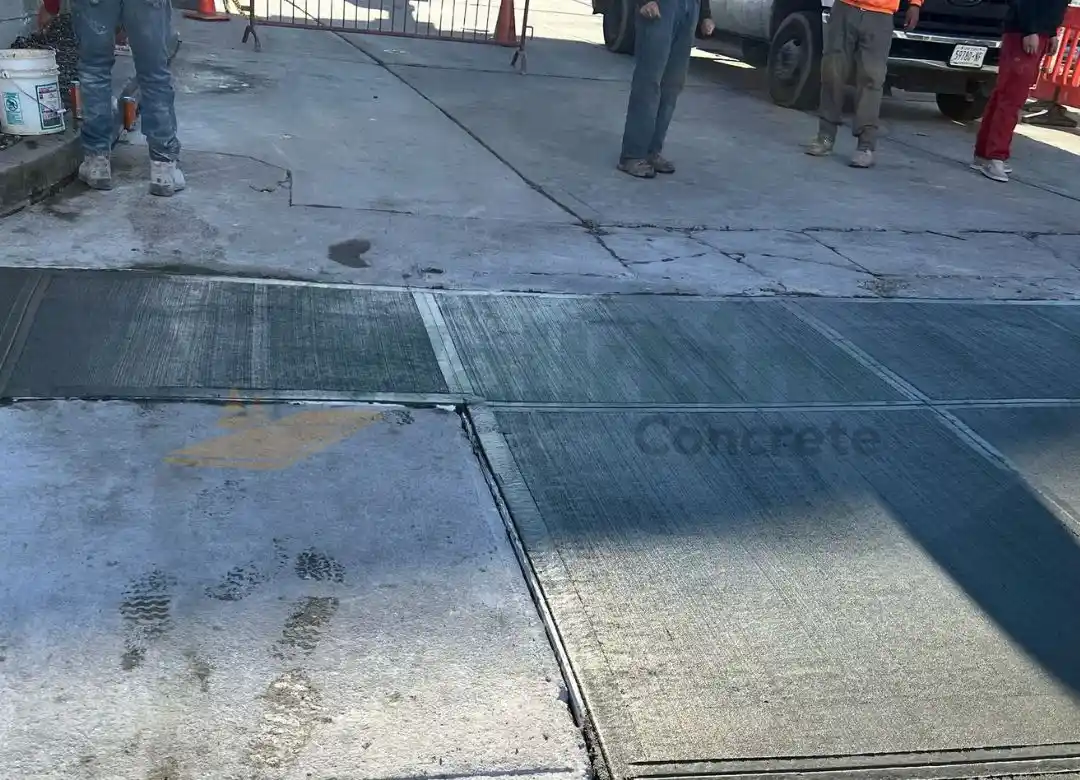
How to Choose the Right Concrete PSI for Long-Lasting Sidewalks?
When it comes to building a sidewalk that lasts, one of the most important things to decide is the right concrete strength. For most residential sidewalks, concrete with a strength of 2,500 to 3,000 PSI works well.
If your sidewalk will handle heavier loads, like delivery trucks often or frequent foot traffic, or face harsh freeze-thaw weather, it’s smarter to use stronger concrete in the range of 3,500 to 4,000 PSI.
Choosing the right PSI helps your sidewalk stay strong for years without cracking or crumbling. And if you’re ever unsure, it’s best to check local building codes or talk to a professional concrete contractor before starting your project.
What Is Concrete PSI?
PSI stands for pounds per square inch. It’s a way to measure how much pressure or weight concrete can handle before it breaks. The higher the PSI, the stronger the concrete.
For example, concrete with a PSI of 3,000 can take 3,000 pounds of pressure on every square inch before it starts to crack or fail.
But what makes one concrete mix stronger than another? A big part of it comes down to something called the water-cement ratio, how much water is used compared to the amount of cement in the mix.
- A low water-cement ratio (like 0.4 to 0.5) makes the concrete denser and stronger. That means a higher PSI and better resistance to weather and wear.
- A high water-cement ratio (like 0.6 to 0.8) makes the mix easier to pour and finish but results in weaker concrete that cracks more easily.
If too much water is added, the concrete becomes porous, meaning it absorbs moisture. This can cause big problems in cold climates where water freezes and expands inside the concrete, something Bronxers often deal with in winter.
That’s why keeping the right water-cement balance is so important for long-lasting sidewalks.
Of course, water isn’t the only ingredient that affects strength. The mix of cement, sand, and aggregate (small stones or gravel) also plays a big role.
Here’s a simple breakdown of common concrete mix ratios and their PSI strengths:
|
PSI |
Cement |
Sand |
Aggregate |
Water |
|
2500 |
1 |
3 |
6 |
0.60 |
|
3000 |
1 |
2 |
4 |
0.50 |
|
3500 |
1 |
2 |
3.5 |
0.48 |
|
4000 |
1 |
1.5 |
3 |
0.45 |
|
5000 |
1 |
1 |
2 |
0.40 |
According to the American Concrete Institute (ACI), concrete used in freezing or harsh weather should have a maximum water-cement ratio of 0.45. This balance gives the concrete enough strength to handle freeze-thaw cycles without breaking apart.
Factors to Consider When Choosing
When choosing the right PSI for your sidewalk, think about how it will be used, the kind of weather it faces, and your overall budget. Each of these factors affects how strong your concrete needs to be and how long it will last.
Intended Use
If your sidewalk will only handle light foot traffic, like people walking, jogging, or kids riding bikes, a lower PSI (around 2,500 to 3,000) is usually enough.
However, the more wear and tear your sidewalk faces, the more strength it needs. For example, if it’s part of a shared driveway or connects to a main street, even occasional heavy use can cause cracks or surface wear over time.
Think about the daily activity the sidewalk will experience. A neighborhood walkway doesn’t need to be as strong as one near a shopping plaza or park entrance where hundreds of people walk every day.
Load Requirements
Concrete can only take so much pressure before it starts to crack or crumble. If your sidewalk needs to handle heavier loads, like delivery trucks, moving vans, or parked RVs, you’ll need a stronger mix.
A PSI of 3,500 or higher adds more durability and helps prevent early wear and structural damage. In areas where vehicles frequently cross or rest on sidewalks (like near driveways or corner properties), this higher strength is essential.
Remember, once cracks form from weight damage, they’re hard and expensive to fix, so it’s smarter to build stronger from the start.
Environmental Conditions
The weather plays a big role in how long your sidewalk lasts. In places with freeze-thaw cycles, concrete naturally expands and contracts as temperatures rise and fall. If the mix isn’t strong enough, this repeated movement can lead to cracks and surface flaking.
A higher PSI concrete mix, ideally 3,500 PSI or above, is better at handling temperature swings, heavy rainfall, and road salt in winter. You can also ask for air-entrained concrete, which has tiny air bubbles that give the concrete room to expand without cracking.
If you live in a mild climate, you can save money with a lower PSI. But for cold or wet regions, a higher PSI is the smarter, longer-lasting choice.
Budget
Concrete cost depends on its strength; higher PSI mixes use more cement and less water, making them stronger but also more expensive.
If you’re building a simple residential sidewalk that won’t face heavy traffic or harsh weather, there’s no need to overspend. A 2,500–3,000 PSI mix can serve you well for years if installed and cured properly.
But don’t pick the lowest PSI just to cut costs. Weak concrete may crack early, leading to costly repairs or replacements later on. The best approach is to balance durability with affordability, choosing the lowest PSI that still fits your conditions and long-term goals.
Recommended PSI Ratings for Sidewalks
Here’s a simple guide to help you choose the right PSI based on how and where your sidewalk will be used:
- 2,500–3,000 PSI is best for light-duty sidewalks in residential areas or garden paths with only foot traffic.
- 3,000–3,500 PSI is ideal for standard suburban sidewalks with regular foot traffic and bicycles.
- 3,500–4,000 PSI is perfect for heavy-duty sidewalks in city walkways, school zones, and commercial areas that experience constant use.
- 4,000+ PSI is recommended for special conditions, including freezing climates, industrial sites, and busy pedestrian zones where strength and durability are top priorities.
Pro Tip: If you live in a place with harsh winters or frequent freeze-thaw cycles, choose air-entrained concrete with at least 3,500 PSI.
Air-entrained concrete has tiny air bubbles mixed in, which gives the expanding ice a place to go. This simple feature helps prevent cracking and makes your sidewalk much more durable in cold weather.
Conclusion
Choosing the right concrete PSI for sidewalks isn’t as complicated as it sounds. It’s about matching the concrete strength to the use, climate, and budget of your project. For most homeowners, 2,500 to 3,000 PSI is plenty for regular sidewalks. But if you live in an area with heavy traffic or cold winters, go with 3,500 PSI or more for peace of mind.
In the end, the goal is simple: build a sidewalk that’s strong, smooth, and lasts for years without needing costly repairs. If you’re unsure what PSI to choose, talk to a local concrete expert who understands your area’s weather and soil conditions. A little advice now can save you a lot of trouble later.