Signs It’s Time to Replace Your Sidewalk
Sidewalks are built to be tough, but they don’t last forever. Over time, weather, heavy use, and growing tree roots can wear them down. Small cracks or chips can often be repaired, but when the damage runs deep, patching won’t solve the problem; you might need a full replacement.
Knowing when it’s time to replace instead of repair can save you both money and stress. Let’s look at the main signs that tell you your sidewalk needs a fresh start.
Widespread or Deep Cracks
Tiny cracks here and there are normal. Concrete naturally expands and contracts as the temperature changes. But when you start noticing cracks wider than ¼ inch or lines spreading across several slabs, it’s a red flag.
These cracks usually mean there’s trouble underneath; maybe the base of your sidewalk has shifted or weakened. You can fill those gaps, but if the ground below isn’t stable, the cracks will return again and again.
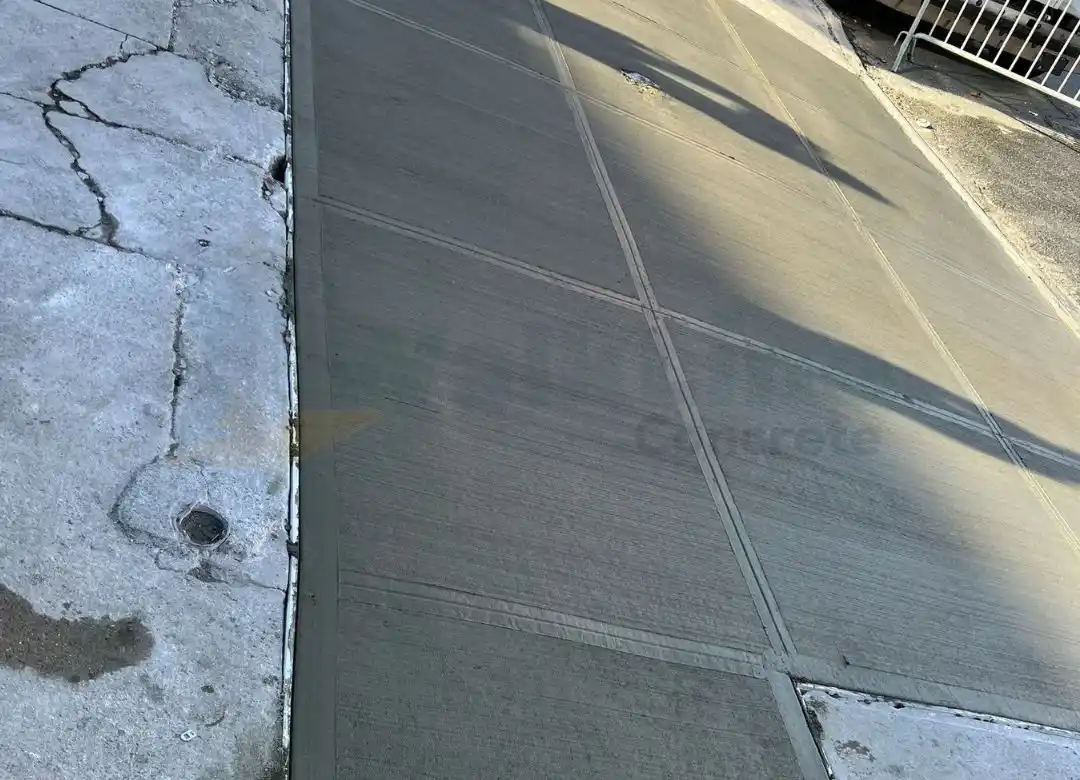
If you see cracks connecting in a web-like pattern or edges crumbling, repairs won’t help much. The concrete has already lost its strength. Replacing the damaged slabs is the only way to make your sidewalk safe and strong again.
Ignoring this can make things worse. Water seeps in, freezes during winter, and breaks the concrete even more. So if the cracks are big enough to trip over or stretch across several sections, it’s time to replace, not repair.
Uneven or Lifted Slabs
Does your sidewalk look bumpy or uneven? If one part sits higher or lower than the next, you’re dealing with lifted slabs. This usually happens when the soil shifts or when tree roots push up from underneath.
For minor unevenness, techniques like mudjacking or slabjacking might help. But if several panels are uneven or lifted more than an inch, replacing those sections is a safer choice.
Uneven sidewalks aren’t just unattractive, but they’re also dangerous. People can trip and fall, rainwater can pool, and if someone gets hurt, you could be held responsible. In fact, even a minor injury caused by a trip hazard can lead to expensive legal trouble.
That’s why replacing those uneven slabs is the smarter move. It creates a smooth, even surface that meets local safety codes and keeps your property liability-free.
Extensive Surface Spalling or Scaling
When the top layer of your sidewalk starts to flake, peel, or crumble, it’s called spalling. This often happens after harsh winters, from road salt, or because of low-quality concrete.
If it’s just in a small spot, resurfacing might work. But when the problem spreads across several slabs, replacement is the best solution. Once the surface layer is gone, water and salt start eating away at the deeper layers, weakening the concrete.
Replacing those sections restores your sidewalk’s strength and gives it a clean, fresh look. Plus, new concrete will stand up better to harsh weather and future wear.
Water Pooling and Drainage Problems
If puddles stick around long after it rains, your sidewalk has a drainage issue. This could mean the slabs have sunk or were not installed at the proper slope.
You can patch cracks or install drains, but that won’t fix the main problem if the base is uneven. Poor drainage means water keeps collecting, soaking into the concrete, and slowly weakening it from below.
Often, this happens when the soil wasn’t prepared correctly during the original installation. Replacing the affected parts allows contractors to rebuild the foundation, fix the slope, and make sure the water drains properly.
A properly installed sidewalk will last longer, resist cracks, and stay safer for everyone who walks on it.
Tree Root Damage
Tree roots are one of the most common causes of sidewalk lifting. Roots grow under the slabs, pushing them upward as they expand. Trimming or cutting the roots might help for a while, but they’ll grow back, and so will the problem.
When big roots cause entire slabs to lift or crack, repairs won’t be enough. The damaged sections need to be replaced, the ground leveled, and proper root barriers installed.
This not only protects your sidewalk but also keeps your trees healthy. It’s the best long-term fix that prevents you from facing the same problem again in a few years.
Repeated or Failed Repairs
If you’ve been fixing the same cracks or holes again and again, that’s a clear sign the sidewalk has reached the end of its life.
When the base beneath the concrete weakens, no amount of patching will make it last. You’ll spend more on small fixes than you would on a full replacement.
A new sidewalk gives you a clean slate, no recurring cracks, no patch marks, and no wasted repair bills every few months. If you’re calling repair crews more often than you’d like, replacement is the smarter and more cost-effective choice.
Widespread Crumbling or Erosion
When your sidewalk starts breaking off at the edges or small pieces come loose while sweeping, that’s not just cosmetic damage. It means the concrete mix has broken down over time, usually because of salt, moisture, or old age.
Trying to repair crumbling concrete rarely works because there’s nothing solid left to bond to. In that case, replacing it entirely is the only solution that ensures lasting durability.
A new sidewalk will handle foot traffic, weather changes, and salt much better, and look cleaner too.
Old Age and Weather Wear
Even if your sidewalk seems fine, age can take a toll. Most sidewalks last around 25 to 30 years. After that, the material becomes weaker and more prone to cracking, discoloration, and unevenness.
If your sidewalk is approaching that age and already showing multiple signs of wear, replacing it will restore both safety and curb appeal. It’s also a chance to make your property more accessible and compliant with modern standards.
Safety or Violation Notices
If you’ve received a sidewalk violation notice from the city, it means your sidewalk is unsafe or doesn’t meet local codes.
Simple fixes like filling cracks or smoothing edges might not be enough to pass inspection. In many cases, the city requires full replacement, especially if the sidewalk isn’t ADA compliant.
Taking care of violations early prevents penalties and keeps pedestrians safe. Fines for unsafe sidewalks can be costly in terms of legal liabilities, sometimes in the tens of thousands of dollars, so it’s best not to wait.
Conclusion
Your sidewalk might not be the first thing people notice, but it’s one of the most important parts of your property. It keeps your home accessible, safe, and inviting. Cracks, uneven slabs, and drainage issues start small but can turn into big, costly hazards if ignored.
Repairs are fine for minor issues, but once the damage is deep or widespread, replacement is the only way to restore full strength and safety.
Think of replacing your sidewalk as more than just fixing concrete; it’s protecting your home, your family, and everyone who walks by. It’s an investment in peace of mind and long-term value.
So take a walk outside. Look at your sidewalk carefully. If it’s showing any of these warning signs, it’s probably time to stop patching and start planning for a fresh, smooth, and safe new sidewalk.